Mucosal melanoma is a rare and aggressive disease that is distinct from the more common cutaneous melanoma. Key differences include:
Mucosal Melanoma
of Mucosal Melanoma
Mucosal Melanoma
of Mucosal Melanoma
Mucosal Melanoma
Mural Oncology is a trademark of Mural Oncology, plc.
© 2023 Mural Oncology, plc. All rights reserved.
Epidemiology and Risk Factors
of Mucosal Melanoma
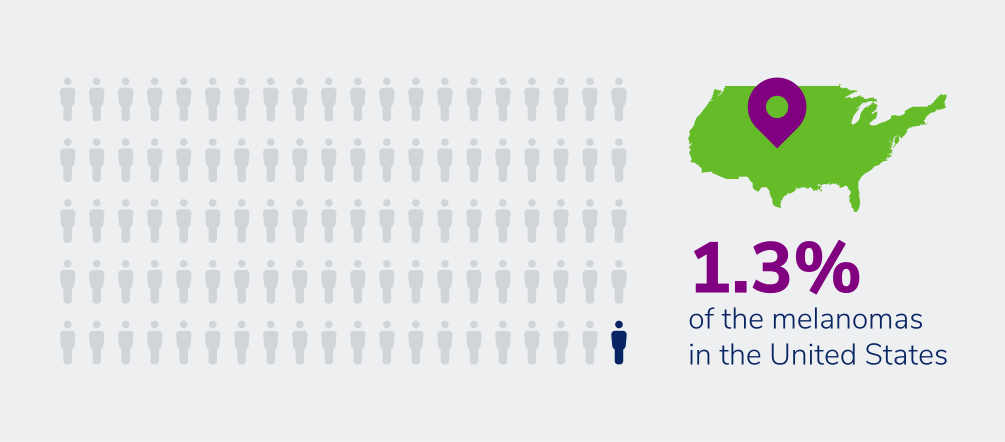
Mucosal melanoma represents approximately 1.3% of melanomas
in the United States with an estimated 600 new diagnoses annually.
McLaughlin et al, 2005
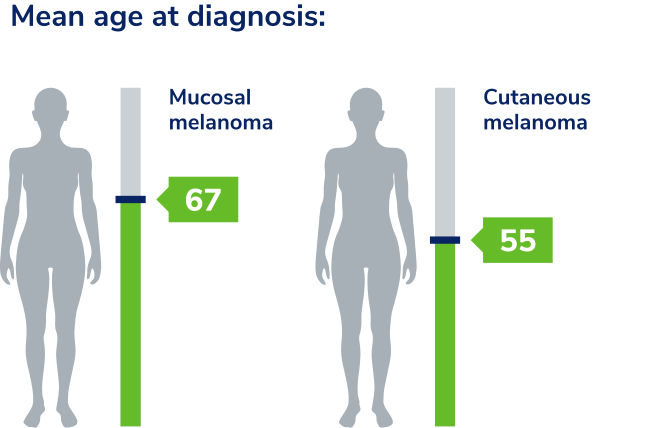
Onset of mucosal melanoma tends
to develop later in life compared
with cutaneous melanoma.
McLaughlin et al, 2005
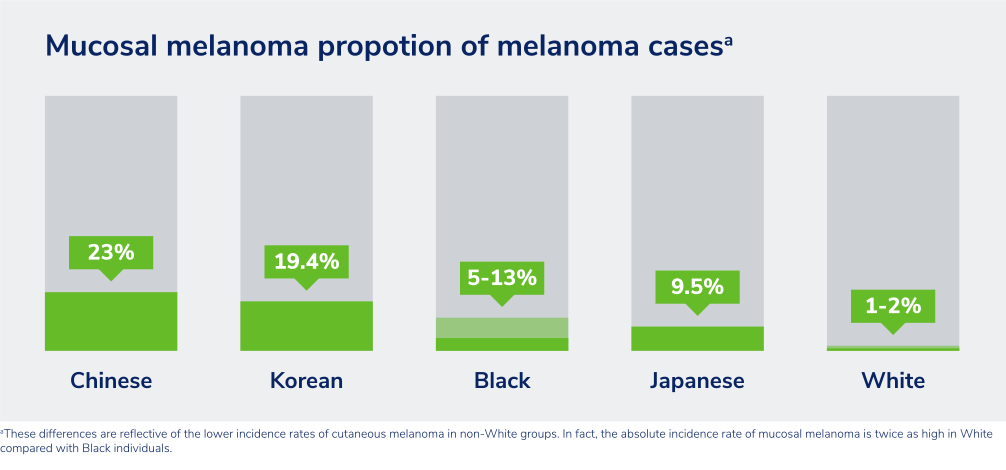
There are significant racial and ethnic disparities in incidence rates.
Mucosal melanoma makes up a large proportion of melanoma cases in
Asian and Black populations compared to White populations.
Fujisawa et al, 2019
Jang et al, 2014
Lerner et al, 2017
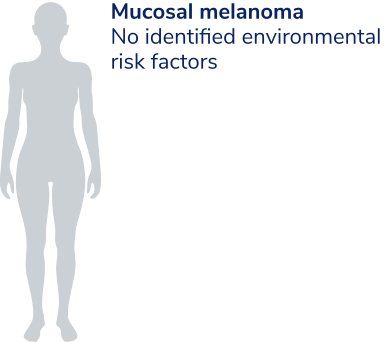
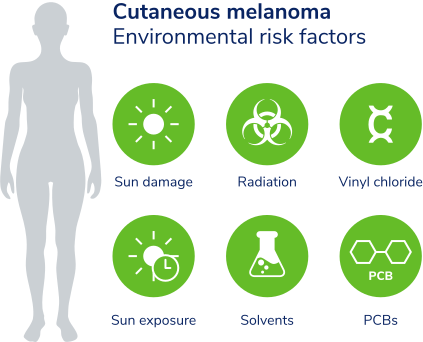
In contrast to cutaneous melanoma, where sun damage and
exposure to environmental risk factors such as radiation, solvents,
vinyl chloride, and polychlorinated biphenyls (PCBs) have been
linked to increased risk of disease, no clear environmental risk
factors have been identified for mucosal melanoma.
PDQ, 2021
in the United States with an estimated 600 new diagnoses annually
as increasing risk for mucosal melanoma?
to a variety of environmental risk factors have been linked to increased
risk of disease, no clear environmental risk factors have been identified
for mucosal melanoma.
is the incidence of mucosal melanoma as a proportion
of all melanoma cases?
as high in White compared with Black individuals.
Genetic Drivers of Mucosal Melanoma
A distinct pattern of genetic drivers, epidemiology, and clinical features underpin mucosal melanoma.
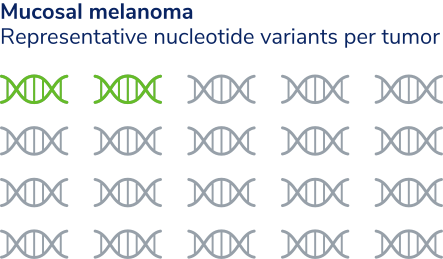
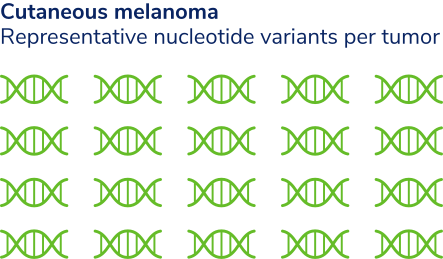
Compared with cutaneous disease,
the mutational burden for mucosal
melanoma is much lower, averaging
10-fold fewer single-nucleotide variants per tumor.
Most mutations observed
with cutaneous melanoma are
associated with chronic exposure
to UV radiation, which is known
to damage DNA.
Lerner et al, 2017
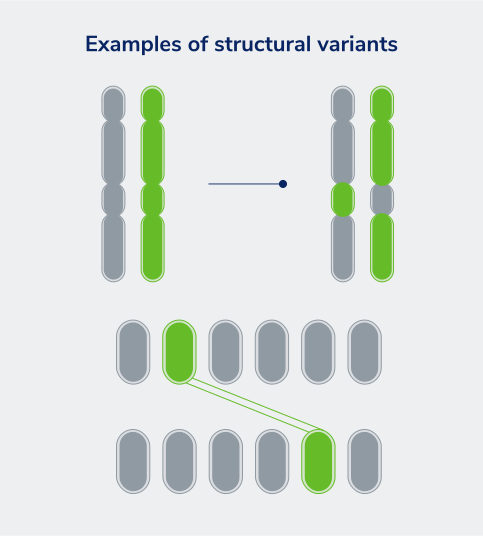
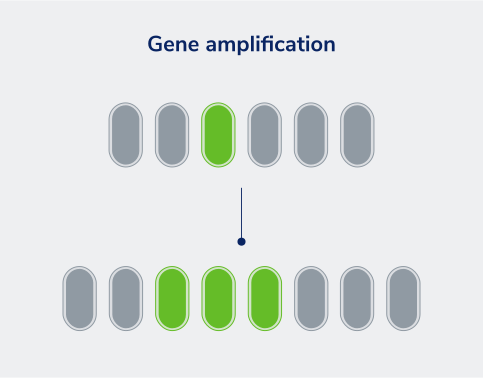
Mucosal melanoma is characterized by a high rate of structural variants and gene amplifications which are rare in its cutaneous counterpart.
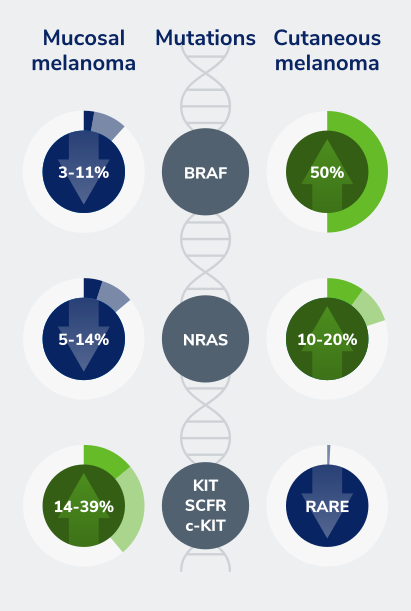
BRAF mutations are rare with only
an estimated 3% to 11% of mucosal
melanomas showing this mutation
vs approximately 50% in cutaneous
melanoma.
The same is true for NRAS
(5-14% vs 10-20%).
Conversely, amplifications and activating
mutations of KIT, SCFR, c-KIT are
somewhat common in mucosal
melanoma (14% to 39%) but are rarely
seen in cutaneous melanoma.
homolog; SCFR, stem cell growth factor receptor.
How does the mutational burden of mucosal melanoma
compare with that of cutaneous melanoma?
[choose all that apply]
Presentation and Outcomes
of Mucosal Melanoma
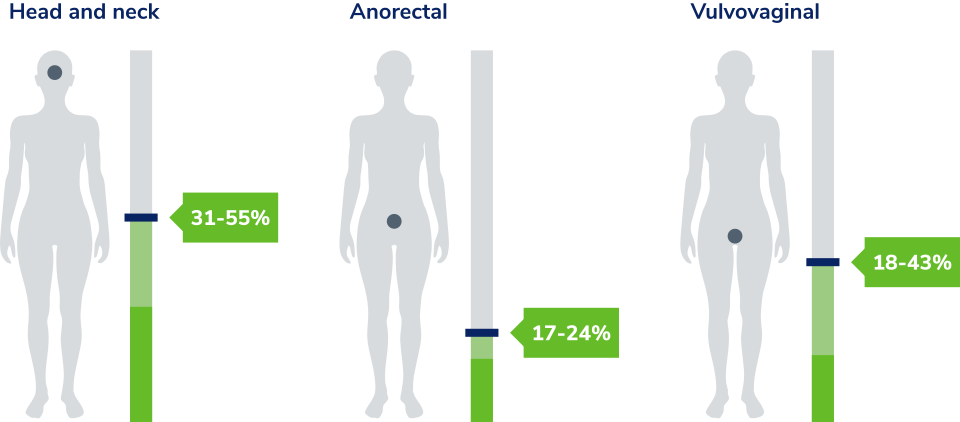
While melanomas can develop within any mucosal surface, the vast majority
arise in the mucosae of the head and neck (31% to 55%), anorectal
(17% to 24%), and vulvovaginal/genital tract (18% to 43%) regions.
McLaughlin et al, 2005
From a clinical perspective, mucosal melanomas are associated with
more aggressive disease progression and worse outcomes compared
with cutaneous melanoma.
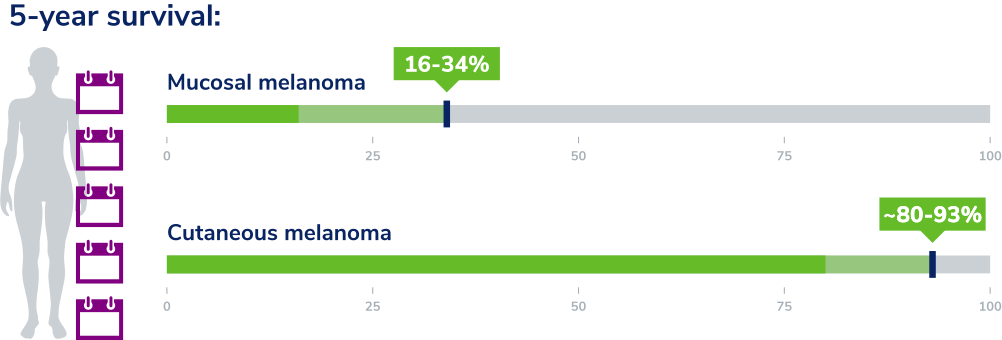
The 5-year survival for all cases regardless of stage has been reported
as 16% to 34% for mucosal melanoma compared with ~80-93% for
cutaneous melanoma.
Bishop and Olszewski, 2014
Chang et al, 1998
National Cancer Institute, 2020
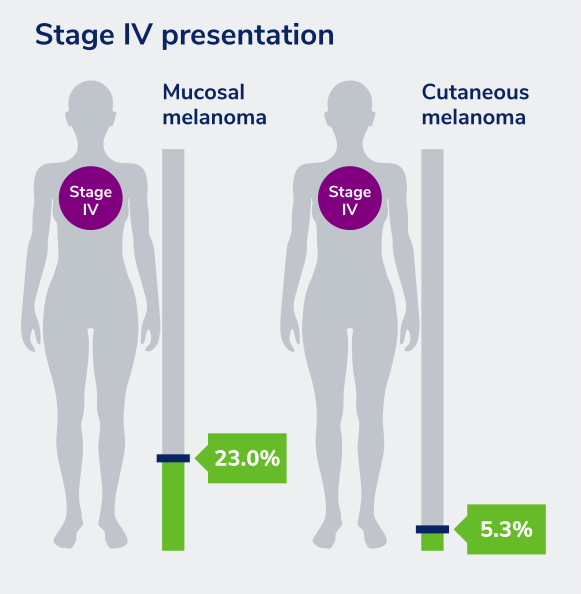
Due to a variety of factors,
such as the initial absence
of symptoms and lack of
visibility at the primary site
of malignancy, mucosal
melanoma patients are
more likely to present with
Stage IV distant metastatic
disease at the time of
diagnosis compared with
cutaneous melanoma
(23.0% vs 5.3%).
Lian et al, 2017
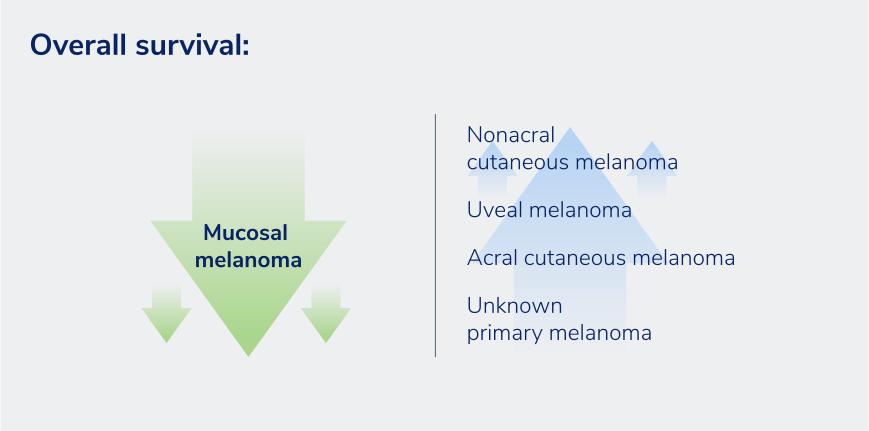
On multivariate analysis of patients with distant metastatic disease,
patients with mucosal melanoma had worse overall survival than
patients with other forms of melanoma.
sites of presentation for
mucosal melanomas?
(regardless of stage)?
Management of Mucosal Melanoma
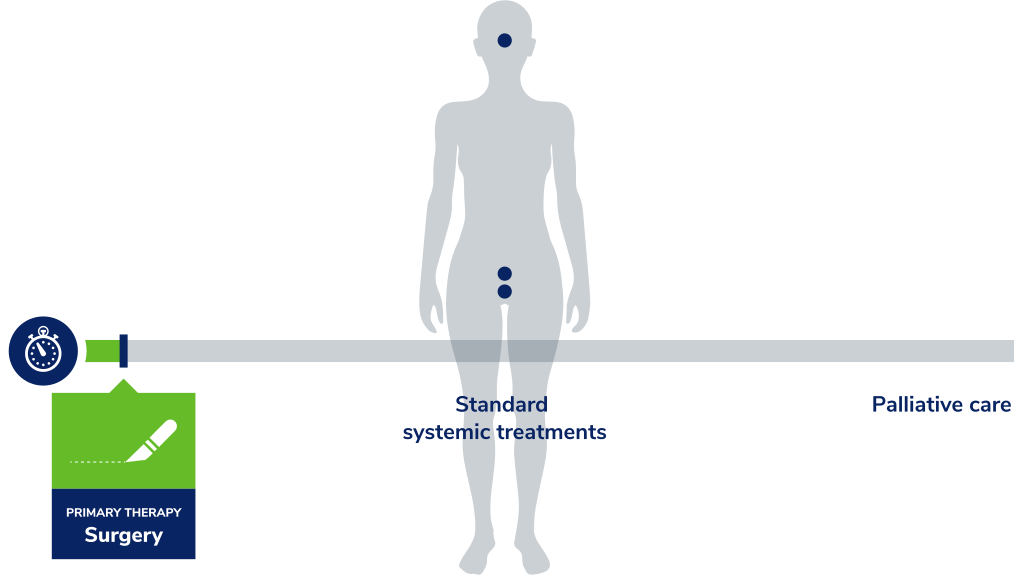
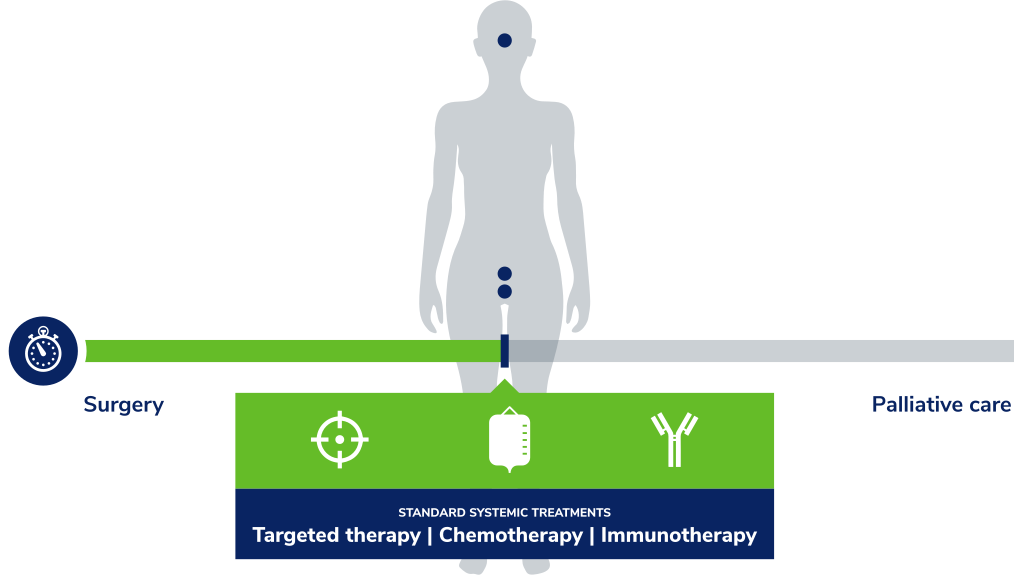
surgery is the primary
therapy and the only
treatment that offers the
potential for long-term
disease-free survival.
with complete
surgical resection,
most patients will
experience recurrence.
therapy, chemotherapy, and
immunotherapy approaches
are less effective at treating
mucosal melanoma, treatment
of metastatic disease for
mucosal melanoma generally
relies upon the same therapies
approved for cutaneous
melanoma.
orphan drug designation
to therapies intended to
treat mucosal melanoma.
Tyrrell et al, 2018
US FDA, 2021
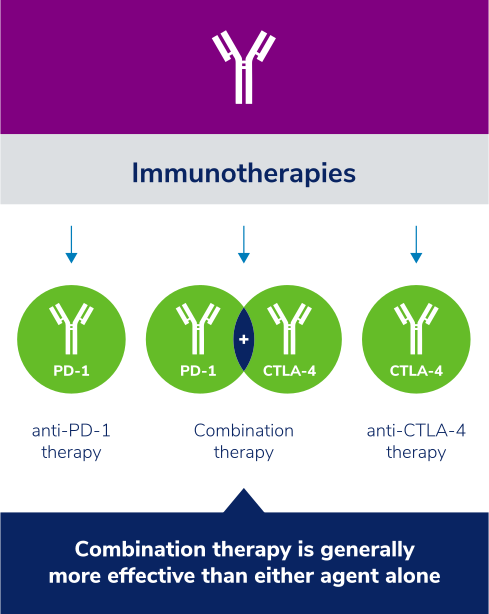
Immunotherapies include mono or
combination therapy of anti-PD-1
therapy +/- anti-CTLA-4 therapy,
with the combination being
generally more effective than
either agent alone.
Data on effective treatments in
the post-checkpoint setting is
sparse, further highlighting the
need for new therapies.
treatment that offers the potential for long-term disease-free survival.
upon the same therapies approved for cutaneous melanoma despite
evidence that targeted therapy, chemotherapy, and immunotherapy
approaches are less effective at treating mucosal melanoma.
References
Alexandrov LB, Nik-Zainal S, Wedge DC, et al. Signatures of mutational processes in human cancer. Nature. 2013;500:415-21
Al-Haseni A, Vrable A, Qureshi MM, et al. Survival outcomes of mucosal melanoma in the USA. Future oncology. 2019;15(34):3977-3986.
Alkermes, plc. Alkermes announces FDA orphan drug designation for Nemvaleukin Alfa for treatment of mucosal melanoma [Press release]. 2021. Available at: https://investor.alkermes.com/news-releases/news-release-details/alkermes-announces-fda-orphan-drug-designation-nemvaleukin-alfa. [Accessed March 11, 2021]
Bishop KD, Olszewski AJ. Epidemiology and survival outcomes of ocular and mucosal melanomas: A population-based analysis. Int J Cancer. 2014;134:2961-2971.
Carvajal RD, Spencer SA, Lydiatt W. Mucosal Melanoma: A Clinically and Biologically Unique Disease Entity. J Natl Compr Canc Netw. 2011;10(3):345-356.
Chang AE, Karnell LH, Menck HR. The National Cancer Data Base report on cutaneous and noncutaneous melanoma: a summary of 84,836 cases from the past decade. The American College of Surgeons Commission on Cancer and the American Cancer Society. Cancer. 1998;83:1664-78
Chi Z, Li S, Sheng X, et al. Clinical presentation, histology,and prognoses of malignant melanoma in ethnic Chinese. BMC Cancer. 2011;11:85.
D'Angelo SP, Larkin J, Sosman JA, et al. Efficacy and Safety of Nivolumab Alone or in Combination With Ipilimumab in Patients With Mucosal Melanoma: A Pooled Analysis. J Clin Oncol. 2017;35(2):226-235.
Fujisawa Y, Yoshikawa S, Minagawa A, et al. Clinical and histopathological characteristics and survival analysis of 4594 Japanese patients with melanoma. Cancer medicine. 2019;8(5):2146-2156.
Jang HS, Kim JH, Park KH, et al. Comparison of Melanoma Subtypes among Korean Patients by Morphologic Features and Ultraviolet Exposure. Annals of Dermatology. 2014;26(4):485-490. doi: 10.5021/ad.2014.26.4.485.
© 2023 Mural. All rights reserved.
Kuk D, Shoushtari AN, Barker CA, et al. Prognosis of mucosal, uveal, acral, nonacral cutaneous, and unknown primary melanoma from the time of first metastasis. Oncologist. 2016;21(7):848-854.
Lerner BA, Stewart LA, Horowitz DP, Carvajal RD. Mucosal Melanoma: New Insights and Therapeutic Options for a Unique and Aggressive Disease. Oncology. 2017;31:e23.
Lian B, Cui CL, Zhhou L, et al. The natural history and patternsof metastases from mucosal melanoma: an analysis of 706 prospectively-followed patients. Ann Oncol. 2017;28:868-873. doi: 10.1093/annonc/mdw694.
McLaughlin CC, Wu XC, Jemal A, Martin HJ, Roche LM, Chen VW. Incidence of noncutaneous melanomas in the US. Cancer. 2005;103(5):1000-1007. doi: 10.1002/cncr.20866.
National Cancer Institute. SEER Cancer Stat Facts:Melanoma of the Skin. Bethesda, MD2021.
PDQ® Adult Treatment Editorial Board. PDQ Melanoma Treatment. Bethesda, MD: National Cancer Institute. Updated 9/3/2021. Available at: https://www.cancer.gov/types/skin/patient/melanoma-treatment-pdq. Accessed 9/9/2021.
Shoushtari AN, Bluth MJ, Goldman DA, et al. Clinical features and response to systemic therapy in a historical cohort of advanced or unresectable mucosal melanoma. Melanoma Res. 2017;27(1):57-64.
Tyrrell H, Payne M. Combatting mucosal melanoma: recent advances and future perspectives. Melanoma Manag. 2018;5(3):MMT11.
U.S. Food & Drug Administration. Toripalimab in combination with axitinib orphan drug designation. Accessed August 24, 2021. https://www.accessdata.fda.gov/scripts/opdlisting/oopd/detailedIndex.cfm?cfgridkey=730120.
Wang X, Si L, Guo J. Treatment algorithm of metastatic mucosal melanoma. Linchuang Zhongliuxue Zazhi 2014;3(38):1-9.